

Fiserv, Inc. Congressional Trading
According to U.S. congressional financial disclosures filed under the STOCK Act, members of Congress have reported 132 trades in Fiserv, Inc. (NASDAQ: FISV) since 2014, across 19 members, worth an estimated $2.9M in disclosed volume (the midpoint of the dollar ranges members report, not exact amounts). 64 buys against 68 sells, a modestly sell-led skew, with Democratic members responsible for 66% of the trades and Republican members 34%. The most recent disclosure shown was filed July 2026, and Rohit Khanna has filed the most FISV transactions among those shown, with 21. Other recent filers include Gilbert Cisneros, John Boozman, and Thomas H. Kean. One notable disclosed move was a sale by Michael T. McCaul on August 21, 2025, down 64.6% since. These figures are drawn from public House and Senate periodic transaction reports and reflect what members were required to disclose, not the current market value of any position. For the full record, including the month-by-month buy and sell timeline, the party breakdown, top buyers and sellers, and every individual filing, see the Fiserv, Inc. (FISV) stock overview and the complete trade table below.
Data updated
Price & congressional trade timeline
Party breakdown
Fiserv, congressional trading activity
| Politician | Published | Traded | Filed After | Type | Size | Return | Owner | |
|---|---|---|---|---|---|---|---|---|
 Rohit Khanna House | Jul 6, 2026 | Jun 16, 2026 | 20 days | SELL |  $1,001 - $15,000 | -0.58% | Spouse | |
Rohit Khanna House | Jun 9, 2026 | May 27, 2026 | 13 days | SELL | $1,001 - $15,000 | -10.93% | Spouse | |
Rohit Khanna House | Jun 9, 2026 | May 15, 2026 | 25 days | BUY | $1,001 - $15,000 | -10.46% | Spouse | |
Rohit Khanna House | May 11, 2026 | Apr 24, 2026 | 17 days | BUY | $1,001 - $15,000 | -18.57% | Spouse | |
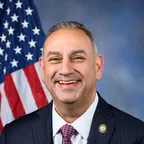 Gilbert Cisneros House | May 8, 2026 | Apr 14, 2026 | 24 days | SELL | $1,001 - $15,000 | -16.06% | Self | |
Rohit Khanna House | May 11, 2026 | Apr 13, 2026 | 28 days | SELL | $1,001 - $15,000 | -15.73% | Spouse | |
Rohit Khanna House | Apr 7, 2026 | Mar 23, 2026 | 15 days | SELL | $15,001 - $50,000 | -14.16% | Spouse | |
Gilbert Cisneros House | Apr 7, 2026 | Mar 13, 2026 | 25 days | BUY | $1,001 - $15,000 | -12.69% | Self | |
Rohit Khanna House | Apr 7, 2026 | Mar 10, 2026 | 28 days | BUY | $1,001 - $15,000 | -16.67% | Spouse | |
Rohit Khanna House | Mar 9, 2026 | Feb 24, 2026 | 13 days | SELL | $1,001 - $15,000 | -16.22% | Dependent Child |
Fiserv, (FISV) congressional trading FAQ
Can members of Congress legally trade Fiserv, (FISV) stock?
Yes. Members of Congress are permitted to trade individual stocks, including Fiserv, (FISV), but the STOCK Act of 2012 requires them to publicly disclose each transaction within 45 days. Quantellect tracks those disclosures; it does not imply any trade was improper.
Are congressional Fiserv, (FISV) trades public?
Yes. Every congressional trade in Fiserv, (FISV) on this page comes from mandatory public STOCK Act disclosure filings, which are filed with a delay and may be revised.
How many times has Congress traded Fiserv, (FISV)?
Members of Congress have disclosed 132 trades in Fiserv, (FISV) worth $2.9M across 19 members, according to public STOCK Act filings.
Which members of Congress have traded Fiserv, (FISV)?
Recent and active filers of Fiserv, (FISV) disclosures include Rohit Khanna, Michael T. McCaul, Gilbert Cisneros. The full member-by-member trade list is on this page.
Do Democrats or Republicans trade Fiserv, (FISV) more?
Across disclosed Fiserv, (FISV) trades, 66% were by Democrats and 33% by Republicans, led by Democrats (66%).
What is the most recent congressional Fiserv, (FISV) trade?
The most recent disclosed Fiserv, (FISV) trade was a sale by Rohit Khanna, filed Jul 5, 2026.
Browse all stocks Congress tradesCongressional trading overviewFiserv, (FISV) stock overview
Not investment advice. Congressional trading data is sourced from public STOCK Act disclosures, which are filed with a delay and may contain errors or be revised. The Tide Score and other figures are generated algorithmically from public filings and market data and describe historical activity, not a recommendation. Always do your own research and consult a licensed financial advisor before making investment decisions.